
Hyde Park & Kensington Gardens
- park
- Price: Free
- Opening hours: 05:00 - 24:00 daily (Kensington Gardens closes at dusk)
History
Henry VIII seized Hyde Park from the monks of Westminster Abbey in 1536, fencing off the land as a private hunting ground stocked with deer. It remained closed to everyone but the crown for the better part of a century, until James I relented and allowed members of the public to walk its grounds in the early 1600s. The park has stayed in royal hands ever since, one of eight royal parks that ring central London, and its 142 hectares flow seamlessly into the adjoining Kensington Gardens, home to Kensington Palace.
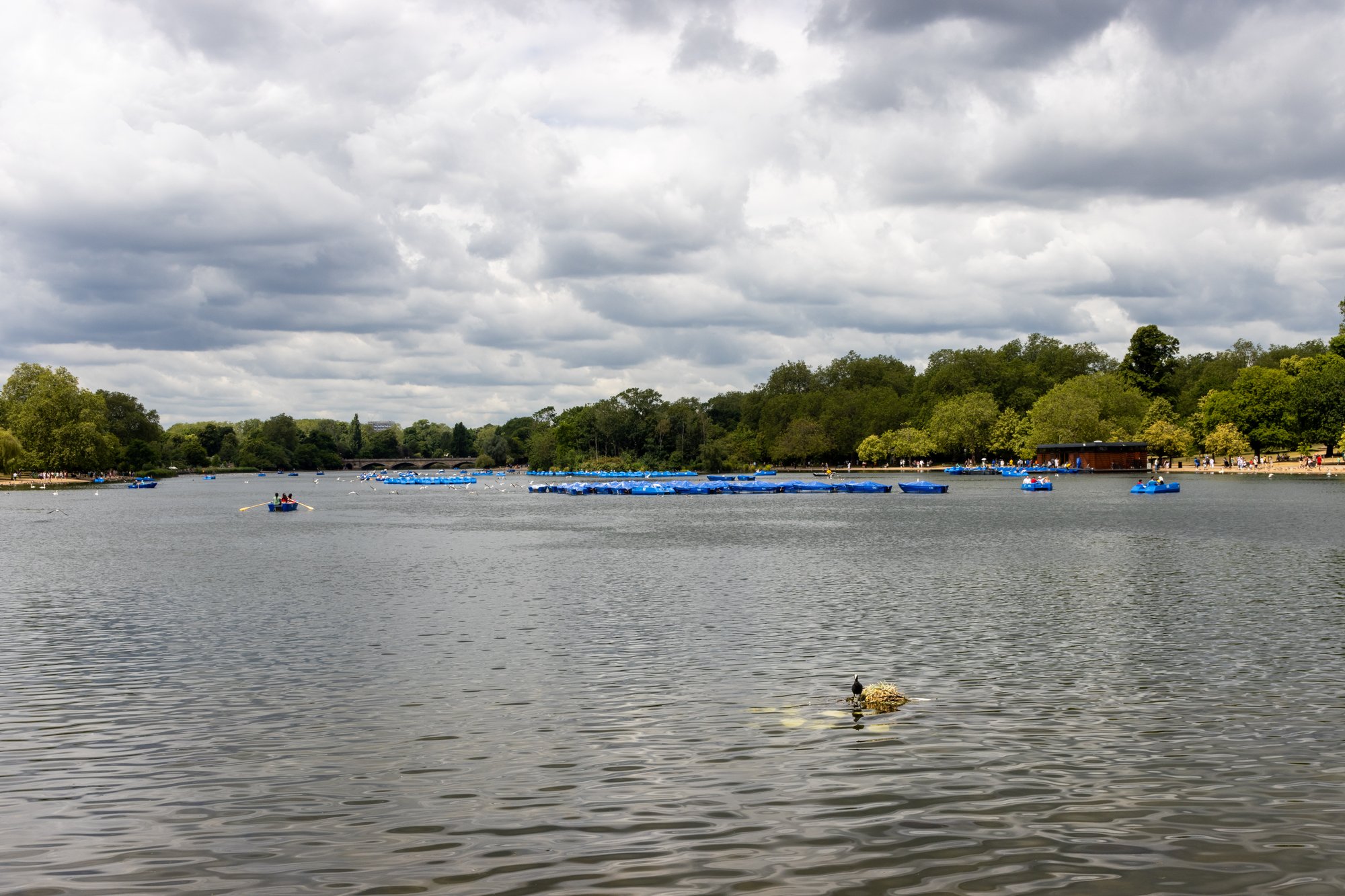
In 1851, the park hosted one of the defining spectacles of the Victorian age: the Great Exhibition, staged inside Joseph Paxton's Crystal Palace, an audacious structure of cast iron and glass so vast it could enclose full-grown elm trees. For six months, Hyde Park effectively became the centre of the world, as six million visitors passed through to marvel at exhibits sent from every corner of the British Empire and beyond. Less spectacularly but just as lastingly, the Serpentine, the artificial lake at the park's heart, had already been shaped out of the Westbourne stream back in 1730, giving the park the sheet of water still central to it today.
Did you know?
Every Sunday afternoon, a patch of grass near Marble Arch called Speakers' Corner turns into an open-air stage for anyone with something to say. The custom traces back to the 1860s, when the Reform League defied a government ban and marched on the park to demand the right to assemble and speak freely; the resulting standoff helped shape the legal tolerance for public oratory that survives here to this day. Orators, hecklers and passers-by have gathered ever since, making it one of the world's most enduring symbols of free speech in action.
The Diana, Princess of Wales Memorial Fountain, opened in 2004, traces a broad oval of Cornish granite around a gentle slope of moving water rather than the traditional statue many expected; children are permitted, and often encouraged, to paddle in it on warm days. On the Serpentine itself, rowing boats and open-water swimmers share the lake with a resident population of swans, geese and other waterfowl that have made the lake their home for generations.
Good to know
Entry to Hyde Park is free, as it is to all eight of London's royal parks, and the grounds stay open considerably later than most city parks, from five in the morning until midnight. Kensington Gardens next door keeps different hours, closing at dusk, so if your visit runs into the adjoining gardens, plan to finish that part of the walk before the light fades rather than after.
The Serpentine is one of the park's biggest draws in warm weather: hire a rowing boat, take a dip at the Serpentine Lido's designated swimming area, or simply spread out a picnic blanket on the grass along its banks. With Kensington Palace, the Diana Memorial Fountain and Speakers' Corner all within the same green space, it's easy to fill half a day without ever leaving the park.