
Greenwich (Royal Observatory & Cutty Sark)
- old-town
- museum
- Price: £18 - £24 (Observatory & Cutty Sark)
- Opening hours: Park free/dawn-dusk; Observatory 10:00 - 17:00 daily
History
Greenwich has been bound up with the crown, the sea and the sky since Tudor times: the old Palace of Placentia that once stood here was the birthplace of Henry VIII and both of his daughters, Mary I and Elizabeth I. In 1997, UNESCO recognised the site's later transformation by inscribing the whole riverside ensemble — the park, the palace-turned-college, and the observatory on the hill — as a World Heritage Site, a rare honour for a single stretch of London.
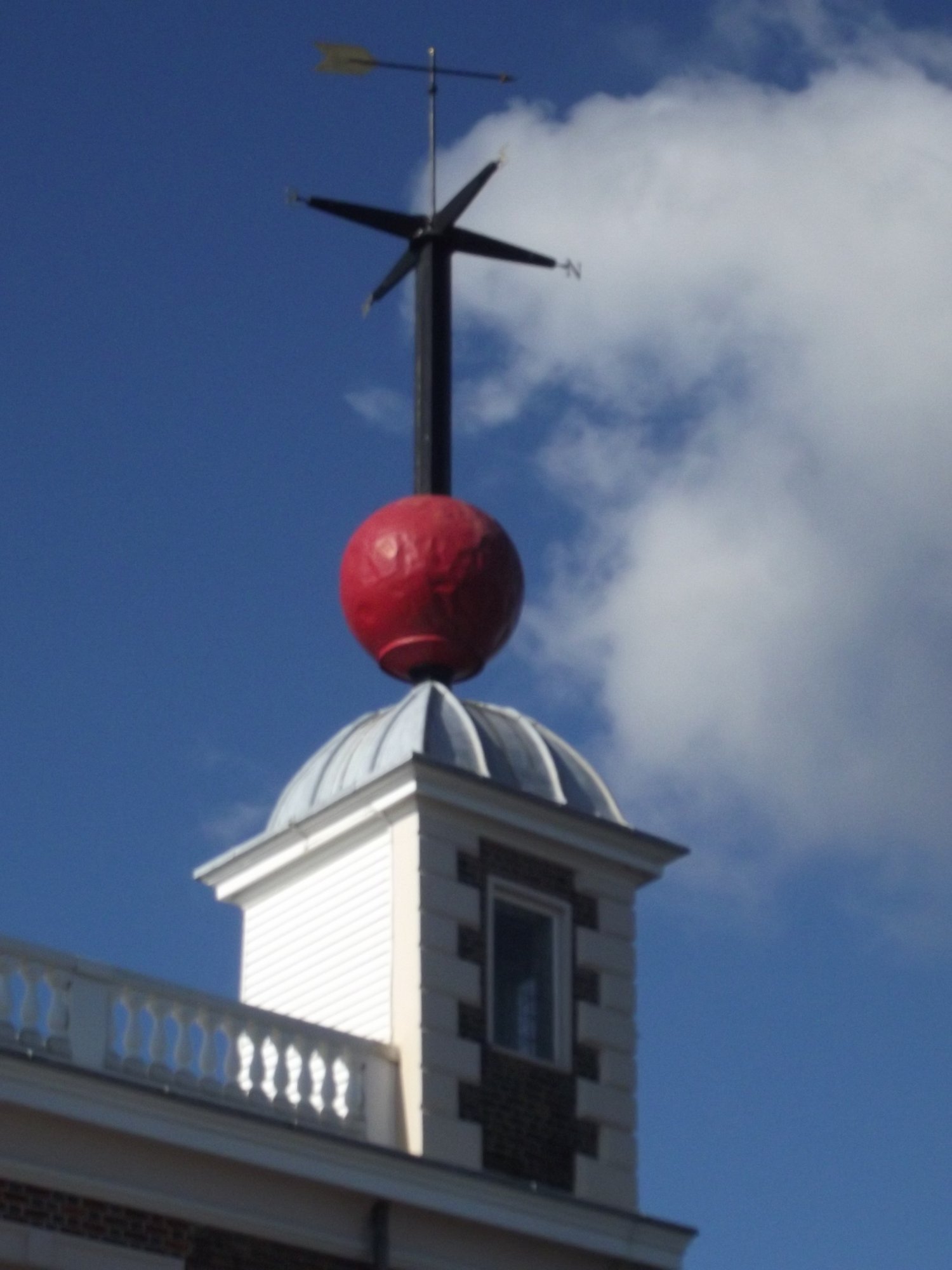
Christopher Wren designed the Royal Observatory in 1675 for John Flamsteed, the first Astronomer Royal, who was tasked with the urgent practical problem of solving longitude at sea so ships could navigate safely. Wren also designed the Baroque riverside buildings later known as the Old Royal Naval College, raised on the site of the old Tudor palace as a hospital for injured and retired sailors, and still one of the grandest classical set-pieces in Britain.
The Prime Meridian & GMT
It was at the Royal Observatory in 1884 that an international conference fixed Greenwich as the world's 0° line of longitude, chosen largely because so much of the world's shipping already relied on British nautical charts measured from it. Every time zone on Earth is still defined by its offset from that line, and Greenwich Mean Time remains a reference point for global timekeeping even now that atomic clocks have taken over the technical job.
Visitors can straddle the brass and steel meridian line marked into the Observatory's courtyard, one foot in the Eastern Hemisphere and one in the Western. After dark, a bright green laser is projected from the Observatory along the exact line of the meridian across the London sky, visible for miles on a clear night — a striking way to see an invisible line made real.
Did you know?
Down at the water's edge sits the Cutty Sark, one of the last surviving 19th-century tea clippers and once one of the fastest ships afloat. She is raised on legs above a glass-walled dry dock, so visitors can walk beneath her sleek iron hull and look up at it from below — a viewpoint her original sailors never had. In 2007, a fire broke out during her restoration and destroyed part of the ship, but conservators rebuilt what was lost, and she reopened to the public in 2012.
Together with the National Maritime Museum, which holds one of the largest collections of maritime art, charts and artefacts anywhere in the world, Greenwich tells the story of Britain's seafaring past as vividly as anywhere in the country.
Good to know
Greenwich Park itself is free and open from dawn to dusk, but the Royal Observatory and the Cutty Sark are separately ticketed, with combined tickets available for both. Given the scale of the site, it's worth setting aside a full day to take in the Observatory, the Cutty Sark, the Old Royal Naval College and a walk through the park itself.
A boat along the Thames from central London is one of the most enjoyable ways to arrive, doubling as a sightseeing trip in its own right, though the DLR to Cutty Sark station is quicker. However you get there, the climb up to the Observatory is rewarded with one of the best views in London, looking back down the river toward Canary Wharf and the city skyline.